
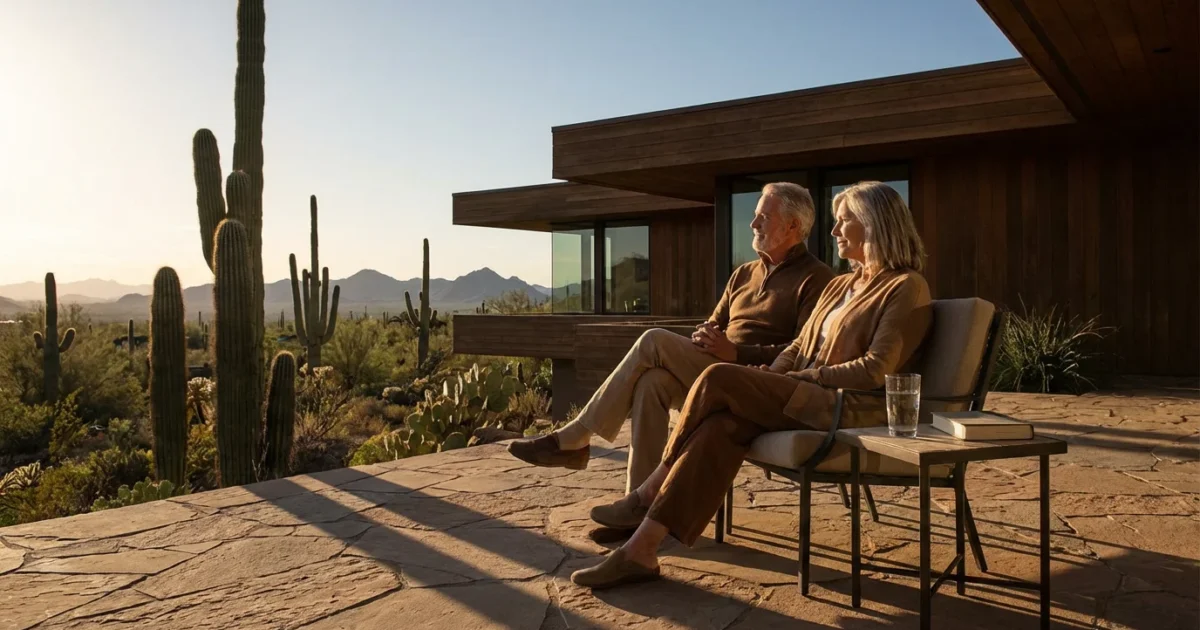
Arizona offers a compelling vision for retirement, drawing seniors with its abundant sunshine, dramatic desert landscapes, and diverse communities. This guide explores whether the Grand Canyon State aligns with your retirement aspirations, covering everything from climate and cost of living to healthcare and popular destinations. You will gain practical insights to determine if Arizona retirement offers the sun, scenery, and savings you seek.
If you are exploring the Mountain West, you might also be interested in Idaho retirement for its rugged scenery and slower pace of life.
Deciding where to spend your retirement years is a significant choice. You need accurate information to evaluate if Arizona provides the lifestyle, financial environment, and support services that best fit your needs. Let’s delve into the specifics that make Arizona a top contender for many.
Table of Contents
- The Allure of Arizona for Retirees
- Understanding the Arizona Climate
- Cost of Living in Arizona
- Arizona’s Tax Environment for Retirees
- Healthcare Access and Quality
- Popular Retirement Destinations in Arizona
- Navigating the Relocation Process
- Frequently Asked Questions

The Allure of Arizona for Retirees
Arizona’s reputation as a retirement haven stems from several key attractions. The state boasts an impressive average of 300 sunny days per year in many areas, creating an ideal environment for outdoor enthusiasts. This consistent sunshine contributes to a vibrant active lifestyle that many retirees desire.
Retirees who enjoy these landscapes often consider Colorado retirement as another top choice for high-altitude beauty and outdoor recreation.
Beyond the weather, Arizona’s natural beauty is undeniable. From the iconic red rocks of Sedona to the vastness of the Grand Canyon, the state offers breathtaking scenery. This landscape provides ample opportunities for hiking, golfing, and exploring, enriching your retirement experience.
Many communities specifically cater to seniors, offering a wealth of amenities and social opportunities. These factors combine to create a welcoming and engaging environment for those seeking an active and fulfilling retirement.
Understanding the Arizona Climate
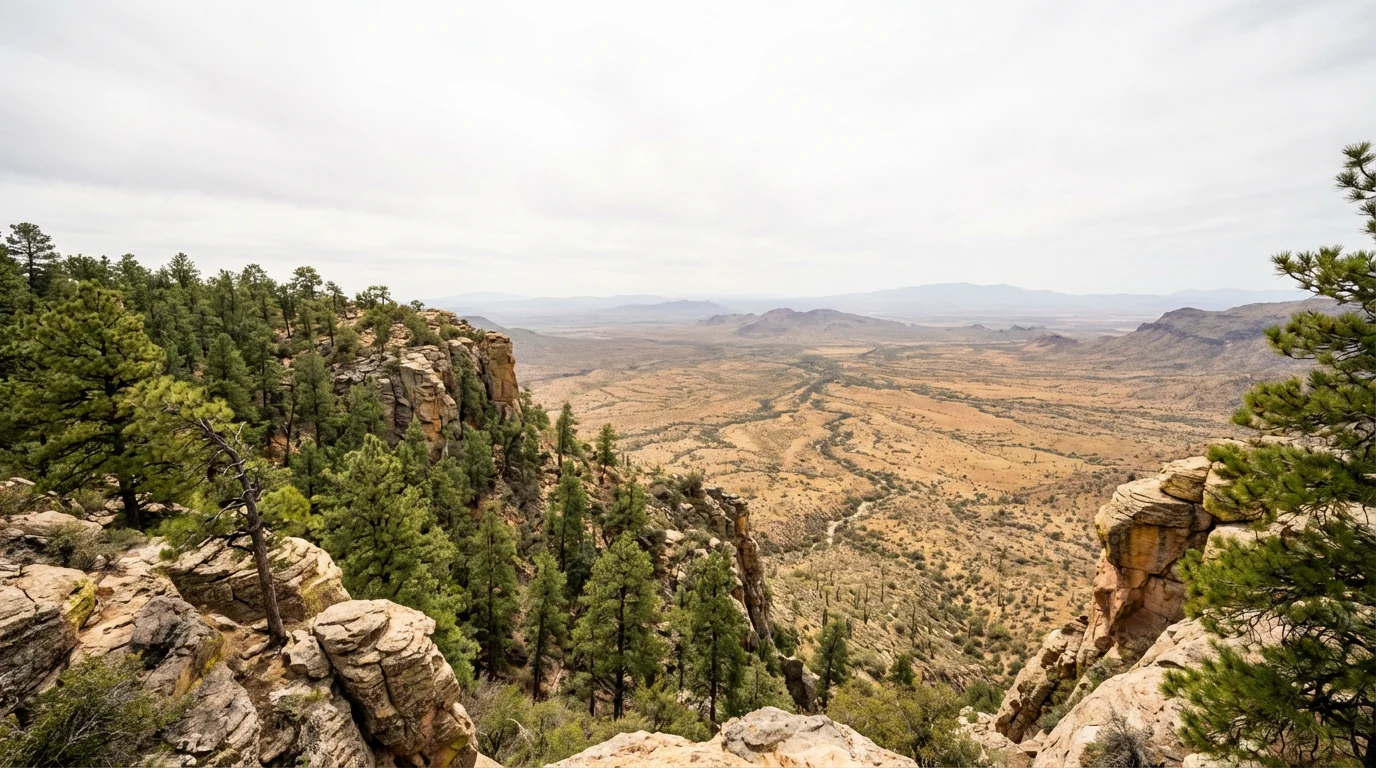
The Arizona climate varies significantly across its vast landscape. The southern desert regions, including Phoenix and Tucson, feature hot summers and mild, sunny winters. Northern Arizona, encompassing areas like Flagstaff and Prescott, experiences four distinct seasons, complete with cooler summers and snowy winters.
Comparing northern and southern retirement climates is particularly helpful when deciding between Arizona’s high-altitude and desert regions.
Pros of the Arizona climate:
- Abundant sunshine year-round, particularly in desert regions.
- Low humidity, making high temperatures feel more manageable for some.
- Mild and pleasant winters across much of the state, allowing for extensive outdoor activity.
- The dry climate can offer relief for individuals with certain respiratory conditions.
Cons of the Arizona climate:
- Extreme summer heat in desert regions, with temperatures frequently exceeding 100°F from June to September.
- Monsoon season in late summer brings humidity and sudden, intense thunderstorms.
- Some parts of the state experience freezing temperatures and snow during winter months.
Consider the specific microclimate of your chosen location. The elevation plays a crucial role, with higher elevations experiencing cooler temperatures. This diversity allows you to select a climate that best suits your preferences.
| City | Elevation (feet) | Average High Temp (July) | Average Low Temp (Jan) | Annual Sunny Days |
|---|---|---|---|---|
| Phoenix | 1,100 | 106°F | 45°F | 299 |
| Tucson | 2,400 | 100°F | 40°F | 286 |
| Prescott | 5,400 | 90°F | 27°F | 278 |
| Flagstaff | 7,000 | 81°F | 19°F | 266 |

Cost of Living in Arizona
Evaluating the Arizona cost of living is a critical step in your retirement planning. The overall cost of living in Arizona generally hovers around the national average, though significant variations exist between urban and rural areas. Housing expenses represent the largest variable.
While evaluating these figures, creating a budget for your retirement relocation is a vital step for ensuring long-term financial stability in your new home.
According to the Bureau of Labor Statistics, housing makes up a substantial portion of a retiree’s budget. Housing costs in Arizona’s major metropolitan areas like Phoenix and Scottsdale can be higher than the national average. However, you can find more affordable options in smaller cities and towns.
Utilities, especially electricity for air conditioning during the summer, contribute notably to monthly expenses. The cost of groceries and transportation tends to be comparable to national averages. Consider your specific needs and preferred location when budgeting for your Arizona retirement.
“Home is not where you are from, it is where you belong.” — Unknown
To give you a clearer picture, here is a general breakdown of how Arizona compares:
| Category | Arizona Index (Overall) | Phoenix Index | Tucson Index | Yuma Index | |||||
|---|---|---|---|---|---|---|---|---|---|
| Overall | 102.2 | 107.0 | 95.5 | 90.3 | |||||
| Housing | 113.8 | 127.3 | 92.7 | 77.2 | |||||
| Utilities | 103.1 | 104.5 | 100.2 | 100.1 | |||||
| Groceries | 100.0 | 100.7 | 99.0 | 96.7 | Transportation | 105.7 | 112.5 | 105.0 | 106.6 |
Data sourced from U.S. Census Bureau and other cost-of-living aggregators, reflecting general trends. Specific figures may vary.
When asking, “Where can I find affordable retirement homes in Arizona?”, consider towns like Yuma, Kingman, or Casa Grande. These areas typically offer lower median home prices compared to the larger cities, allowing your retirement savings to go further. Researching 55+ communities can also reveal excellent value for your housing budget, often with included amenities.

Arizona’s Tax Environment for Retirees
Understanding Arizona’s tax structure is crucial for your financial planning. The state presents a mixed bag for retirees, with some advantageous policies and others that require careful consideration. The Tax Foundation provides detailed information on state tax policies, which you should consult for the most current data.
To further optimize your finances, downsizing your home for retirement can help reduce both property tax liability and monthly utility costs.
Beyond taxes, it is important to factor in how healthcare costs in retirement might impact your long-term budget in the Grand Canyon State.
You can find comprehensive details about Arizona’s tax structure on the Tax Foundation website. This resource offers valuable insights for evaluating the state’s fiscal policies.
Key tax considerations for Arizona retirement:
- Social Security: Arizona does not tax Social Security benefits, providing a significant financial advantage.
- Retirement Income: Most other forms of retirement income, including pensions, 401(k)s, and IRA withdrawals, are subject to Arizona’s progressive state income tax.
- Property Taxes: Property taxes in Arizona are generally lower than the national average. This can be a substantial benefit for homeowners. The average effective property tax rate is around 0.62%, significantly below the national average of 1.07% according to Tax Foundation data.
- Sales Tax: The statewide sales tax rate is 5.6%, but local jurisdictions can add their own taxes, bringing the combined rate higher in many cities.
When you ask, “What are property taxes like in Arizona for retirees?”, remember that while generally low, specific rates depend on your property’s assessed value and the local municipality. Homestead exemptions or other programs for seniors can sometimes further reduce your tax burden. Always verify current tax laws and potential exemptions that apply to your situation.

Healthcare Access and Quality
Access to quality healthcare is a primary concern for many retirees. Arizona excels in this area, particularly within its major metropolitan hubs. Phoenix and Tucson are home to numerous highly-rated hospitals and specialized medical centers, including those affiliated with university health systems.
You will find a wide array of healthcare providers, specialists, and rehabilitation facilities in these larger cities. The presence of large retirement communities often translates to a high concentration of medical services geared towards seniors, ensuring readily available care.
However, healthcare access can become more limited in Arizona’s rural areas. While smaller towns typically have primary care clinics and local hospitals, specialized treatment may require travel to a larger city. Always research the specific healthcare infrastructure in any potential relocation area.
Resources like Medicare.gov provide tools to compare Medicare plans and find healthcare providers in Arizona. The Eldercare Locator also offers valuable assistance, connecting you with local services for seniors, including transportation, in-home care, and other support. These tools help ensure you have the necessary information for your healthcare planning.
Key aspects of healthcare in Arizona:
- Major medical hubs in Phoenix and Tucson offer comprehensive services.
- High concentration of doctors and specialists in areas with large senior populations.
- Many hospitals consistently rank among the best nationally for specific specialties.
- Medicare Advantage plans and supplemental insurance options are widely available.
- Telehealth services are becoming more prevalent, improving access in some remote areas.

Popular Retirement Destinations in Arizona
Arizona offers a diverse range of retirement communities, each with its unique character and appeal. Your ideal location depends on your priorities, whether you seek urban amenities, quiet desert living, or a cooler mountain escape.
Before selecting a specific city, learning how to choose a retirement community will help you identify which features and social atmospheres align with your needs.
Phoenix Metropolitan Area (Scottsdale, Mesa, Sun City)
The Greater Phoenix area is a major draw for Arizona retirement. It provides extensive amenities, world-class golf courses, cultural institutions, and abundant shopping and dining. Many 55+ communities, like Sun City and Surprise, originated here, offering structured activities and social opportunities.
- Pros: Excellent healthcare, endless amenities, diverse housing options, active lifestyle opportunities, major airport access.
- Cons: Intense summer heat, higher cost of living in some areas like Scottsdale, significant traffic congestion.
Tucson
Located in southern Arizona, Tucson offers a blend of desert beauty, a rich cultural scene, and a slightly more relaxed pace than Phoenix. It boasts a distinct Southwestern charm, with historic architecture and vibrant arts communities. Tucson generally presents a more affordable cost of living compared to Phoenix.
- Pros: Unique cultural identity, stunning desert landscapes, university town vibrancy, generally lower housing costs than Phoenix, mild winters.
- Cons: Summer heat remains a significant factor, fewer high-end amenities compared to Phoenix.
Prescott and Sedona
For those preferring a cooler climate and picturesque mountain scenery, Prescott and Sedona offer appealing alternatives. Prescott, known for its historic downtown and “Arizona’s Christmas City” moniker, enjoys four distinct seasons. Sedona captivates with its iconic red rock formations and a reputation for spiritual wellness.
- Pros: Significantly cooler summers, stunning natural beauty, outdoor activities like hiking and biking, charming downtowns.
- Cons: Higher cost of living, especially in Sedona, potential for winter snow and colder temperatures, fewer large-scale amenities.
Smaller Towns and Desert Living
Many retirees discover the benefits of desert living in Arizona’s smaller communities. Towns like Green Valley, Oro Valley, and Yuma offer a slower pace, strong community ties, and often more affordable housing. These areas are ideal if you prioritize a tight-knit community feel and a focus on outdoor recreation.
- Pros: Lower cost of living, strong community engagement, access to vast natural areas, relaxed atmosphere, less traffic.
- Cons: Fewer specialized medical facilities, limited shopping and dining options, potentially longer travel distances for major services.
When seeking “affordable retirement homes in Arizona,” consider these smaller towns and their surrounding areas. Many offer excellent value for your housing budget, allowing you to maximize your retirement savings while enjoying the Arizona lifestyle.

Navigating the Relocation Process
Moving to a new state for retirement involves careful planning. You can streamline your transition by approaching it systematically. This process ensures you address all critical aspects, from financial readiness to social integration.
- Financial Planning: Assess your budget for your desired Arizona cost of living, factoring in housing, utilities, taxes, and healthcare. Consider consulting a financial advisor to optimize your retirement income strategy for Arizona’s tax environment.
- Housing Search: Research potential communities and neighborhoods thoroughly. Visit these areas in person to experience the local atmosphere, amenities, and weather patterns. Explore different housing types, including 55+ communities, to find one that fits your lifestyle and budget.
- Healthcare Transfer: Plan for transferring your medical records and establishing new healthcare providers. Research doctors and specialists in your new area, ensuring they accept your insurance plan. Utilize resources like Medicare.gov to find new plans if needed.
- Logistics of the Move: Arrange for movers or transport your belongings yourself. Update your address with the U.S. Postal Service, banks, and other important institutions. Obtain an Arizona driver’s license and register your vehicles.
- Social Integration: Actively seek out opportunities to connect with your new community. Join clubs, volunteer, or participate in local events. Many Arizona retirement communities offer robust social calendars to help you meet new people.
- Legal and Estate Planning: Review your will, trusts, and power of attorney to ensure they comply with Arizona state laws. Update these documents as necessary to reflect your new residency.
The U.S. Census Bureau provides demographic data that can help you understand the age distribution and other characteristics of potential new communities. This information assists you in choosing a place where you feel comfortable and connected. Resources like AARP Livable Communities also offer insights into community features that support healthy aging and engagement.
Frequently Asked Questions
Is Arizona tax-friendly for retirees?
Arizona offers a mixed tax environment for retirees. The state does not tax Social Security benefits, which is a significant advantage. However, most other forms of retirement income, like pension distributions and 401(k) or IRA withdrawals, are subject to state income tax. Property taxes in Arizona are generally lower than the national average, providing some relief for homeowners. Sales tax rates are moderate, and local jurisdictions can add their own taxes.
What is the average cost of living in Arizona for seniors?
The Arizona cost of living generally aligns closely with the national average, or slightly above, depending on the specific city. Housing costs, a major factor for retirees, can vary significantly. Major metropolitan areas like Phoenix and Scottsdale typically have higher housing expenses, while smaller towns offer more affordable options. Utility costs, particularly for air conditioning during summer months, can also impact your budget. Groceries and transportation costs are often comparable to national averages.
Are there good healthcare options for retirees in Arizona?
Arizona provides robust healthcare options, particularly in its major population centers. Phoenix and Tucson host numerous nationally recognized hospitals, specialized care facilities, and a high concentration of medical professionals. Many communities cater specifically to seniors, offering excellent access to primary care physicians and specialists. While rural areas may have fewer options, access to care remains a priority across the state. Medicare plans are widely accepted, and additional resources like the Eldercare Locator can help you find local services.
What are the pros and cons of desert living?
Desert living in Arizona offers distinct advantages and challenges for retirees. Pros include abundant sunshine, low humidity, and mild, pleasant winters perfect for outdoor activities. The dry climate can also benefit those with respiratory issues. Cons primarily revolve around the intense summer heat, which can limit outdoor activities for several months. Adapting to water conservation practices and understanding the unique desert flora and fauna are also part of the experience. Many retirees find the active, outdoor lifestyle available during cooler months to be a major draw.
Where can I find affordable retirement homes in Arizona?
Affordable retirement homes in Arizona exist across various regions, often outside the most expensive metropolitan cores. You can find more budget-friendly options in areas like Yuma, Casa Grande, and some of the East Valley suburbs of Phoenix. Smaller towns throughout the state often present lower housing costs compared to Sedona or Scottsdale. Additionally, many 55+ communities offer diverse housing types, from manufactured homes to condominiums, which can be more affordable than single-family detached houses in prime locations. Researching specific neighborhoods and considering different housing styles will help you find suitable options within your budget.
How hot does it really get in Arizona?
Arizona experiences significant temperature variations across its regions. In the Sonoran Desert, which includes Phoenix and Tucson, summer temperatures frequently exceed 100°F, often reaching 110°F or higher in July and August. These are very dry heat conditions, and humidity remains low. Conversely, the northern parts of the state, such as Flagstaff and Prescott, enjoy much milder summers with daytime highs typically in the 80s°F and cooler nights. Winters across the state are generally mild, with abundant sunshine, making them a significant draw for retirees seeking to escape colder climates.
Disclaimer: This article is for informational purposes only. Cost of living, taxes, and local conditions change over time. We encourage readers to verify current information through official sources and visit potential retirement destinations before making relocation decisions.









Leave a Reply