
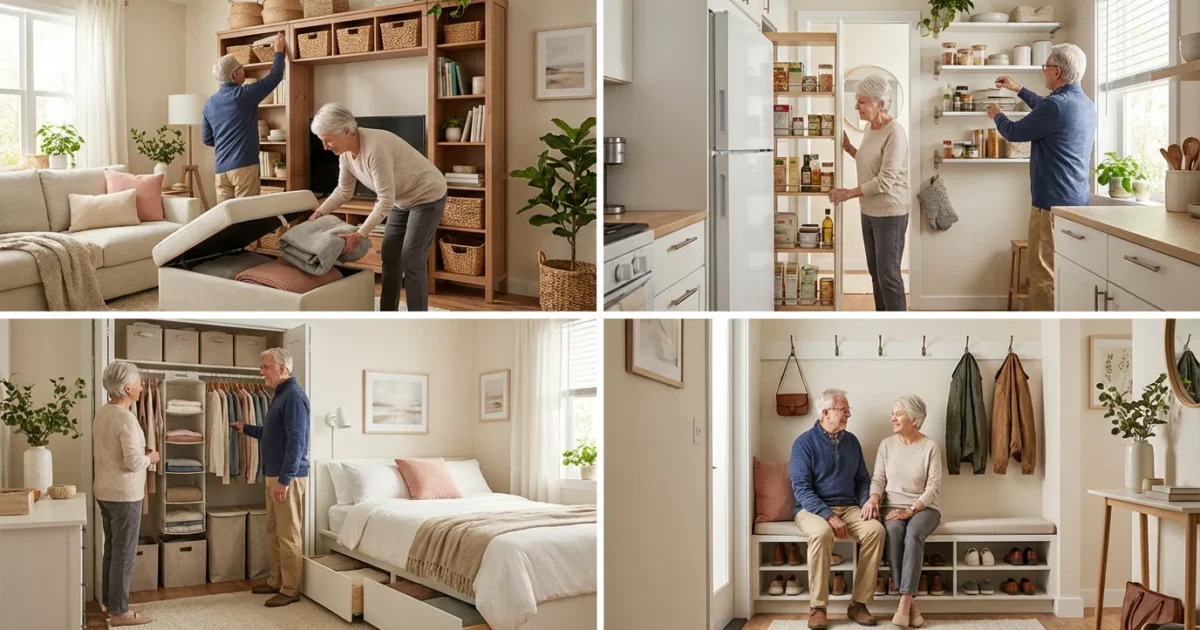
Relocating to a smaller home for retirement offers numerous benefits, from reduced maintenance to significant financial savings. However, the transition often brings a common challenge: adapting to less living space while retaining cherished possessions. Effectively managing your belongings in a more compact environment requires thoughtful planning and smart organization.
For those beginning this transition, following a practical guide to downsizing can help simplify the process and reduce stress.
This article provides practical, actionable insights and expert `storage solutions` to help you smoothly adjust to `small spaces`. You will discover effective `downsizing tips`, learn `how to maximize space in a small home`, and understand `what are the best storage solutions for seniors?` to ensure your new home is both functional and comfortable.
Table of Contents
- Understanding the Benefits of Downsizing for Retirement
- The Downsizing Journey: Decluttering Before You Pack
- Maximizing Vertical Space: Walls and Ceilings Are Your Allies
- Smart Furniture Choices for Small Homes
- Utilizing Hidden and Under-utilized Spaces
- Digitalizing Memories and Documents
- Off-Site Storage Considerations
- Creating Functional and Accessible Storage for Seniors
- Frequently Asked Questions

Understanding the Benefits of Downsizing for Retirement
Many retirees choose to downsize their homes, embracing a lifestyle with fewer obligations and often, a reduced cost of living. Data from the U.S. Census Bureau indicates a trend toward smaller household sizes, particularly among older adults. This shift can free up capital, lower utility bills, and decrease the time spent on home maintenance.
Before moving, you may also want to review home staging tips for seniors to ensure you sell your current property efficiently.
A smaller home often translates into a more manageable household budget, allowing you more financial flexibility for travel, hobbies, or simply enjoying your retirement years. It can also encourage a simpler, less cluttered way of life, promoting peace of mind. You move from accumulating things to accumulating experiences.

The Downsizing Journey: Decluttering Before You Pack
The most critical step in adjusting to `small spaces` begins long before you move: comprehensive decluttering. Approaching this process strategically prevents you from bringing unnecessary items into your new, smaller home. Start early and work through your belongings systematically.
Retirees planning to move to one of the best states for active retirement often find that decluttering early makes the long-distance transition much easier.
Once you have sorted your belongings, choosing the right moving company is the next critical step for a smooth relocation.
Consider the “four-box method” to streamline your decluttering efforts. Label boxes “Keep,” “Donate/Sell,” “Shred/Recycle,” and “Toss.” This method provides a clear framework for decision-making for every item you encounter. Be honest about what you truly use and what holds genuine sentimental value.
Practical Decluttering Strategies
- Start Small: Begin with one drawer or one shelf to build momentum and avoid feeling overwhelmed.
- “One Year Rule”: If you have not used an item in a year (excluding seasonal items), seriously consider letting it go.
- Digitize Mementos: Scan old photos, letters, and important documents to preserve memories without physical bulk.
- Evaluate Duplicates: Do you truly need three can openers or multiple sets of the same kitchen tools? Keep only the best quality and most frequently used items.
- Sentimental Value vs. Utility: For items with strong emotional ties, ask if they bring joy or purpose to your current life. Consider finding creative ways to display a few cherished pieces rather than storing many.
- Sell or Donate: Research local charities, consignment shops, or online marketplaces to give your unwanted items a new life and potentially recover some costs.
Maximizing Vertical Space: Walls and Ceilings Are Your Allies
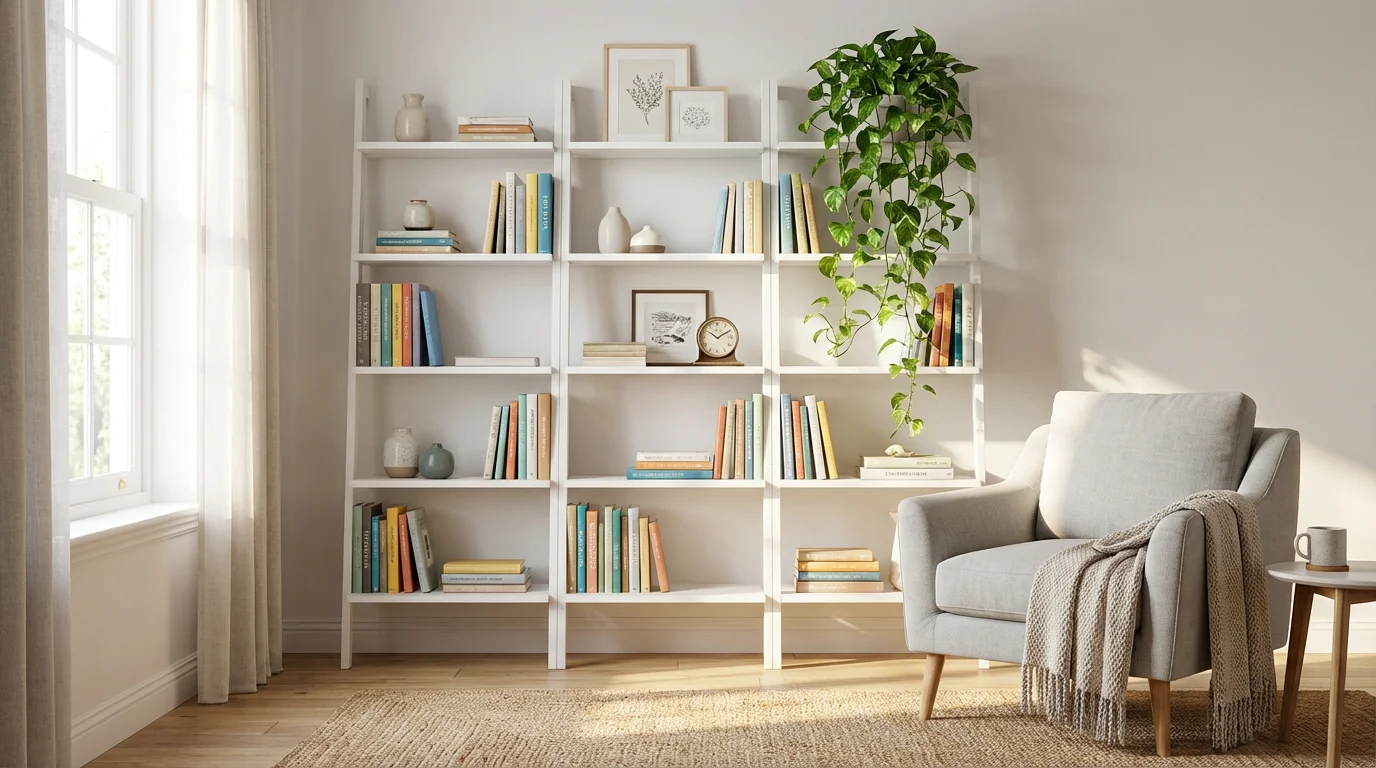
When you have limited floor space, look up. Vertical space is often an underutilized asset in `small spaces`. Integrating shelves, wall-mounted units, and tall storage solutions significantly expands your capacity without encroaching on your living area.
As you choose a retirement community, pay close attention to whether the available units provide enough vertical wall space for these shelving ideas.
Floating shelves provide accessible storage for books, decor, or frequently used items in areas like the kitchen or bathroom. Tall, narrow bookcases or pantry units offer substantial storage while occupying a minimal footprint. These options demonstrate `how to maximize space in a small home` effectively.
Effective Vertical Storage Solutions
- Wall-Mounted Shelving Systems: Install shelves in staggered patterns or full units to display items and store essentials.
- Over-the-Door Organizers: Utilize the back of closet, pantry, or bathroom doors for shoes, toiletries, cleaning supplies, or pantry items.
- Tall, Slim Bookcases and Cabinets: Choose furniture that extends upward, providing ample storage without taking up much floor area.
- Vertical Drawer Dividers: Organize kitchen utensils, clothing, or office supplies within drawers, standing items upright to use depth.
- Hanging Pot Racks: Free up cabinet space in the kitchen by hanging pots and pans from a ceiling-mounted or wall-mounted rack.
- Magnetic Strips: Install magnetic strips in the kitchen for knives or in the bathroom for small metal tools and accessories.
“Minimalism is not about having less. It’s about making room for more of what matters.”
Smart Furniture Choices for Small Homes
The furniture you select plays a pivotal role in `how to maximize space in a small home`. Opt for pieces that offer multiple functions or a streamlined design. This approach allows your furniture to work harder for you, providing both comfort and crucial `storage solutions`.
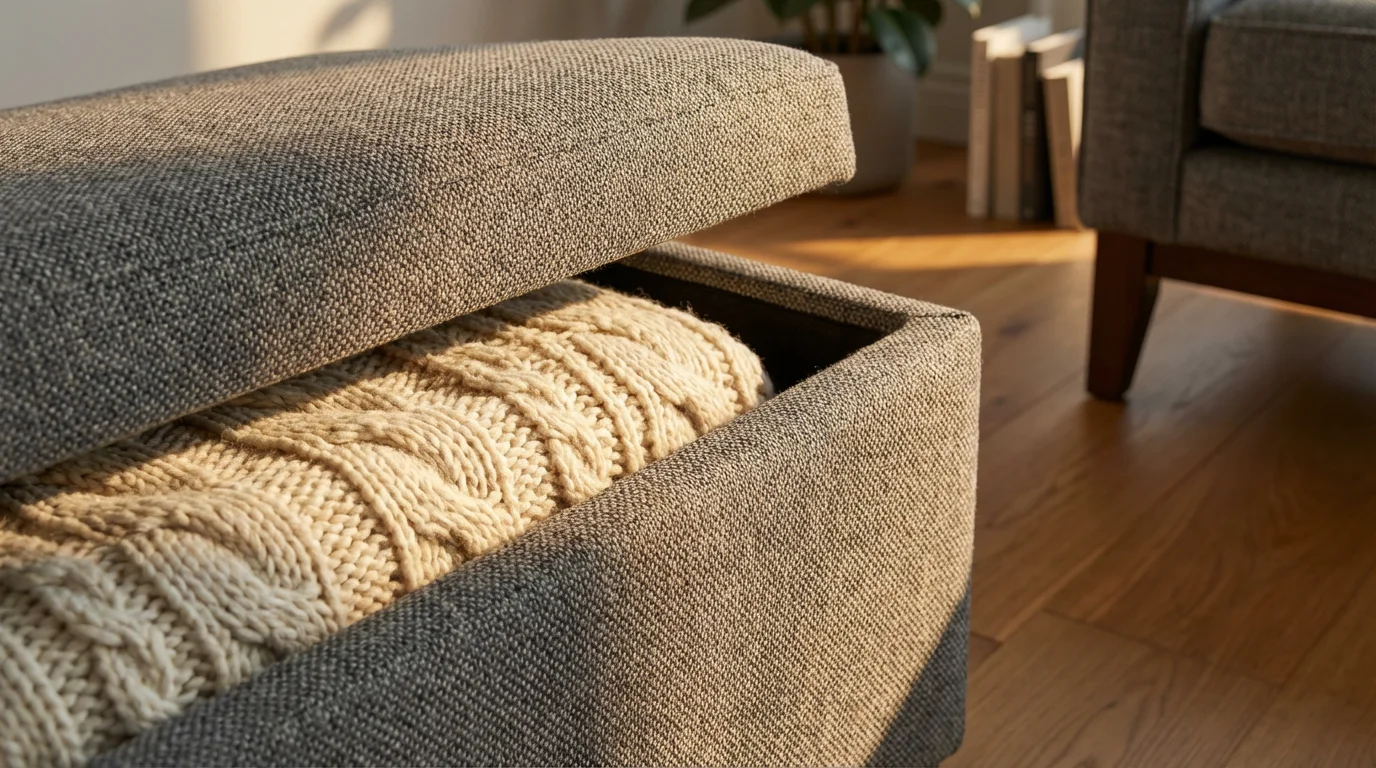
Consider an ottoman with built-in storage, perfect for blankets, remote controls, or magazines. Nesting tables can be pulled out for company and neatly tucked away afterward. Lift-top coffee tables offer hidden compartments and can even convert into a makeshift desk, illustrating excellent `downsizing tips` in furniture selection.
Multi-functional Furniture Ideas
- Storage Ottomans and Benches: Provide extra seating and hidden space for blankets, books, or games.
- Sofa Beds or Daybeds: Offer versatile sleeping arrangements for guests without dedicating a full room.
- Nesting Tables: Expand your surface area when needed and compact neatly for daily use.
- Lift-Top Coffee Tables: Conceal storage and elevate to a comfortable height for eating or working.
- Murphy Beds or Wall Beds: An excellent option for guest rooms or studios, completely disappearing when not in use.
- Under-Bed Storage Frames: Choose bed frames with built-in drawers or ample space underneath for bins.
- Console Tables with Drawers: Ideal for entryways or hallways, offering storage for keys, mail, and other essentials.
Utilizing Hidden and Under-utilized Spaces
Every small home contains overlooked pockets of space that, with a little ingenuity, transform into valuable `storage solutions`. Thinking creatively about these areas helps address `what are the best storage solutions for seniors?` by maximizing every inch of your new environment.
While exploring 55+ communities, you can often find floor plans specifically designed to include built-in storage in these often-overlooked areas.
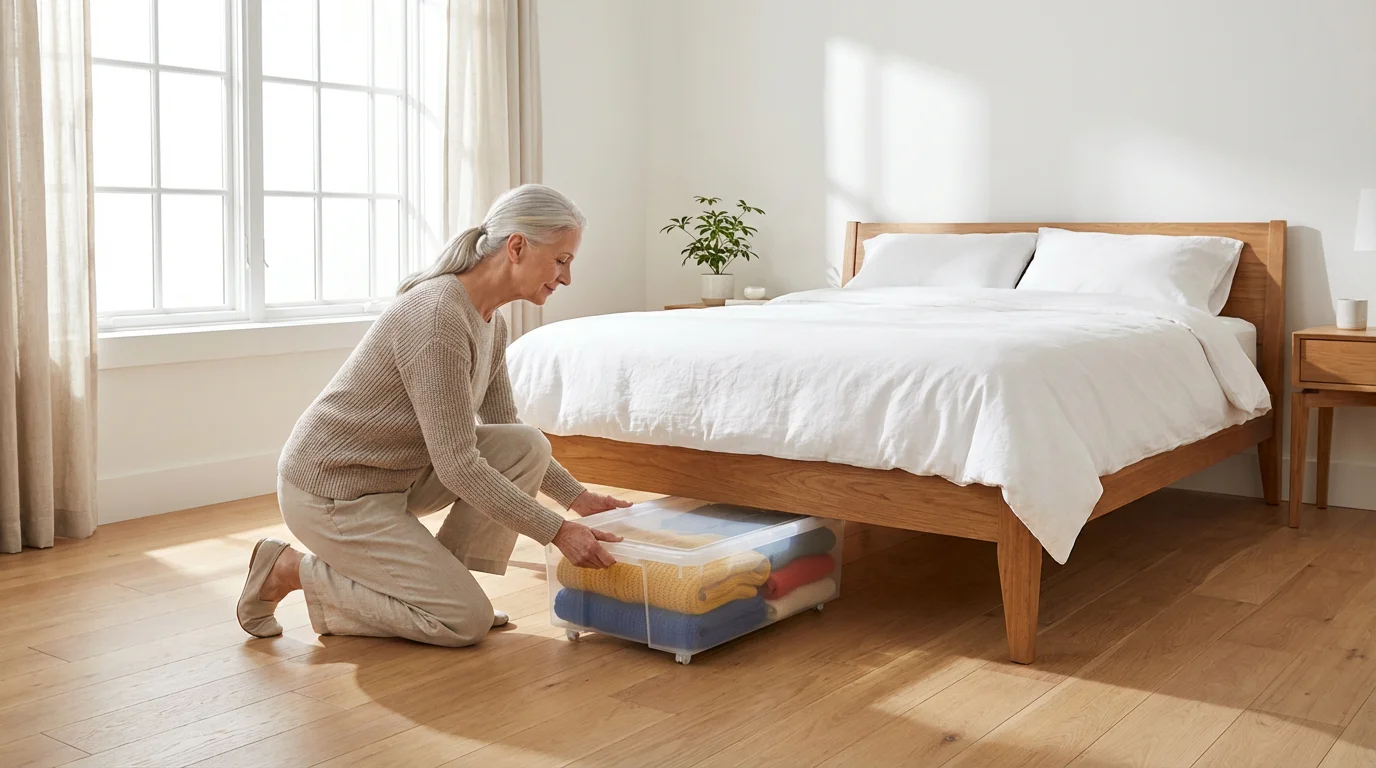
Under-bed storage containers, whether rolling or lift-up, are ideal for seasonal clothing, extra linens, or bulkier items. Inside cabinet doors, you can mount organizers for spices, cleaning supplies, or small tools. Even the often-forgotten space between wall studs can be converted into shallow, recessed shelves.
Creative Storage for Overlooked Areas
- Under-Bed Storage: Use rolling containers or vacuum-sealed bags for out-of-season clothes and extra bedding.
- Cabinet Door Organizers: Mount racks on the inside of kitchen or bathroom cabinet doors for spices, foils, or cleaning products.
- Toe-Kick Drawers: Install shallow drawers in the kick plate beneath kitchen or bathroom cabinets for rarely used flat items.
- Closet System Maximization: Add double hanging rods, shelves, and drawer units to customize your closet’s interior.
- Corner Shelving: Install specialized shelving units in unused room corners, from floor to ceiling, to add significant capacity.
- Behind-the-Couch Tables: A slim console table behind a sofa provides a surface for lamps and books, often with integrated storage.
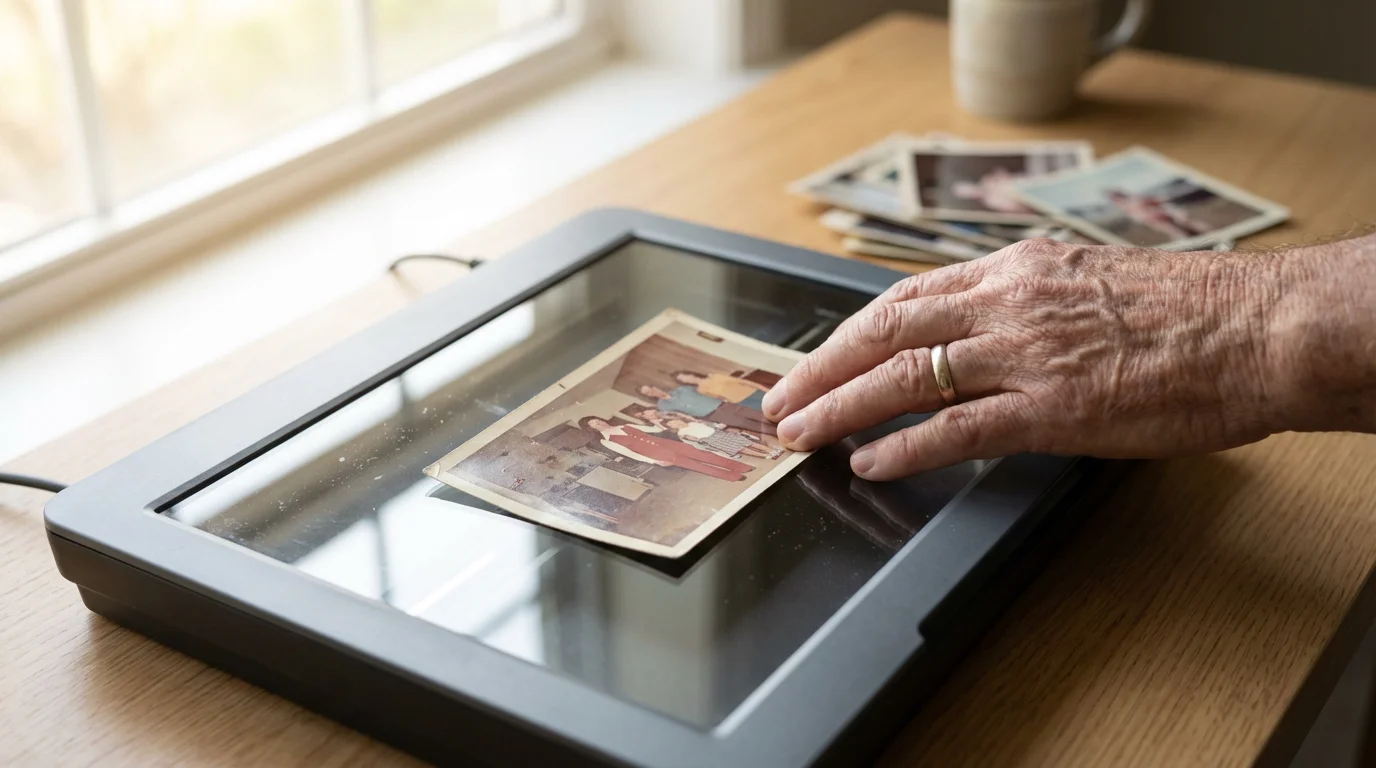
Digitalizing Memories and Documents
Physical clutter often comes from paper and photographs. Digitalizing these items significantly reduces the volume of things you need to store, offering one of the most effective `downsizing tips` for retirees. This process not only saves space but also safeguards your precious memories and important records.
Digitalization also helps when dealing with family concerns by allowing you to share digital heirlooms with loved ones easily.
Scanning old photos preserves them from fading or damage, and cloud storage ensures easy access and backup. Similarly, digitizing financial statements, medical records, and other important documents simplifies organization and retrieval, reducing bulky filing cabinets. Many resources, like USA.gov, provide guidance on managing important documents.
Items to Prioritize for Digitization
- Family Photos and Albums: Scan old prints to create digital albums, preserving memories without physical space.
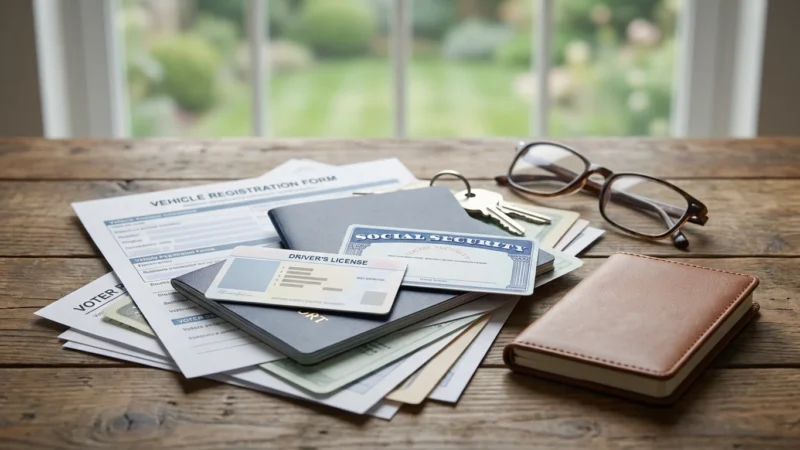
- Important Documents: Financial records, tax forms, insurance policies, medical records. Use secure cloud storage or external hard drives.
- Letters and Cards: Keep a select few originals, and photograph or scan others to maintain sentimental value.
- Children’s Artwork and School Projects: Photograph larger pieces, or keep a small, curated collection.
- Receipts and Manuals: Many companies offer digital versions online, eliminating the need for physical copies.

Off-Site Storage Considerations
Even with expert `storage solutions` and comprehensive `downsizing tips`, you might find a few items that do not fit into your new `small spaces` but are too valuable to part with. Off-site storage units offer a temporary or long-term solution, though they come with their own considerations.
These units can be useful for seasonal items like holiday decorations or sporting equipment, inherited furniture you intend to pass down, or items needed for a future phase of life. However, weigh the monthly cost against the true value and frequency of use for the items stored. Ensure you visit the facility and understand all terms before committing.
Pros and Cons of Off-Site Storage
- Pros:
- Provides flexibility for items you are not ready to part with.
- Offers secure, climate-controlled environments for sensitive belongings.
- Useful for seasonal items or temporary overflow during a transition.
- Cons:
- Adds a recurring monthly expense to your budget.
- Requires time and effort to transport and organize items.
- Out of sight, out of mind: items might be forgotten and unused for years.
- Accessibility can be limited, depending on the unit’s location and hours.

Creating Functional and Accessible Storage for Seniors
As you implement `storage solutions` in your `small spaces`, prioritize accessibility and ease of use. This is particularly important for seniors, ensuring items are easy to retrieve without straining or posing a fall risk. Practical design makes your new home comfortable and safe.
Effective organization is a cornerstone of creating a comfortable and accessible retirement home that meets your needs for years to come.
Heavy or frequently used items should be stored between hip and shoulder height. Use clear bins and labels to quickly identify contents. Consider pull-out drawers or lazy Susans in cabinets to avoid reaching into deep, dark spaces. These considerations directly answer `what are the best storage solutions for seniors?` by focusing on ergonomics.
Accessibility Features for Storage
- Clear Storage Bins: Easily see contents without opening, reducing time and effort.
- Labeling Systems: Clearly label all bins, boxes, and shelves for quick identification.
- Pull-Out Drawers and Shelves: Install in pantries and lower cabinets to eliminate bending and reaching.
- Lazy Susans: Ideal for corner cabinets or refrigerator shelves, bringing items to the front with a spin.
- Open Shelving for Frequently Used Items: Keep daily essentials within easy reach in the kitchen or bathroom.
- Ergonomic Placement: Store heavy or often-used items at waist-to-shoulder height to minimize bending and stretching.
- Good Lighting: Ensure all storage areas, especially closets and pantries, have adequate lighting.
Frequently Asked Questions
How much space do I really need in retirement?
The ideal amount of space depends entirely on your lifestyle, hobbies, and personal preferences. Many retirees find comfort and financial relief in homes between 800 and 1,500 square feet, especially if they are empty nesters. Focus on functionality and how each room will be utilized rather than just square footage.
What should I do with sentimental items I can’t part with?
For truly cherished sentimental items, consider displaying a select few prominently, perhaps in a curio cabinet or on a special shelf. For others, photograph them and create a digital scrapbook. You can also explore options like gifting them to family members who will appreciate and use them.
Are storage units a good long-term solution for retirees?
While storage units offer convenience, they add a recurring monthly expense. For long-term use, evaluate if the cost justifies keeping the items. Often, the cumulative cost of years of storage can exceed the replacement value of the items themselves. Consider them a short-term solution during transition or for truly invaluable items.
How can I make my storage solutions easy to use and maintain?
Focus on accessibility and organization. Use clear containers, label everything, and ensure frequently used items are within easy reach. Install pull-out drawers and shelves to prevent bending or straining. Regularly review your stored items to prevent clutter from accumulating again.
When is the best time to start downsizing my home?
Begin the downsizing process well in advance of a move, ideally several months to a year beforehand. This allows you to make thoughtful decisions without pressure and prevents rushing. Starting early provides ample time for decluttering, selling, donating, and planning your new space effectively.
Disclaimer: This article is for informational purposes only. Cost of living, taxes, and local conditions change over time. We encourage readers to verify current information through official sources and visit potential retirement destinations before making relocation decisions.






Leave a Reply