
Retirement presents a unique opportunity to redefine your lifestyle, embrace new passions, and focus on personal well-being. For many Americans aged 55 and over, the desire to remain engaged, healthy, and socially connected shapes their retirement planning. Active adult communities specifically cater to this aspiration, offering more than just a home, but a vibrant environment designed for an energetic retirement. These communities create a setting where maintaining a fulfilling and active lifestyle becomes effortless and enjoyable.
You find a blend of convenience, social interaction, and diverse recreational opportunities in these specialized communities. They help you transition from career to retirement, ensuring your golden years are marked by vitality and purpose. This guide explores the multifaceted world of active adult communities, helping you understand their benefits, what to look for, and how they empower you to stay active.
Table of Contents
- Understanding Active Adult Communities
- Key Features and Amenities
- The Importance of Senior Fitness and Wellness
- What Activities Are Available for Active Adults?
- How to Join An Active Community: Finding Your Fit
- Financing Your Active Adult Lifestyle
- Relocation Planning for Active Adults
- Frequently Asked Questions

Understanding Active Adult Communities
Active adult communities are residential developments primarily for individuals aged 55 and older, though some may have a 62+ age restriction. These communities differ significantly from assisted living or nursing homes, as they do not provide medical care or daily living assistance. Instead, they focus on independent living within a supportive, amenity-rich environment. You maintain full autonomy over your daily life, enjoying a lifestyle that fosters engagement and health.
If you are concerned about costs, there are many affordable senior living options that still offer high-quality amenities and social engagement.
The core philosophy behind these communities centers on promoting an active and social retirement. They combat common challenges of aging, such as isolation and decreased physical activity, by proactively creating opportunities for interaction and movement. Residents often report higher levels of satisfaction and well-being due to the built-in social networks and convenient access to recreational facilities.
The desire to stay active, social, and engaged shapes many retirement decisions. Active adult communities provide a dedicated setting for you to achieve these goals.
Benefits of choosing an active adult community include:
- Social Connection: Built-in opportunities to meet peers who share similar interests and life stages, combating loneliness.
- Access to Amenities: Convenient, often on-site, access to fitness centers, pools, clubhouses, and recreational spaces.
- Low-Maintenance Living: Homeowner association (HOA) fees typically cover exterior home maintenance, landscaping, and amenities, freeing your time.
- Security and Peace of Mind: Many communities offer gated access or security features, enhancing your sense of safety.
- A Sense of Community: A shared environment with neighbors often leads to strong friendships and mutual support.
- Diverse Activity Options: A wide range of organized retirement activities keeps your mind and body engaged.

Key Features and Amenities
What sets active adult communities apart are their extensive amenities and programming. Developers design these features to encourage interaction, wellness, and hobby pursuits among residents. You find everything from state-of-the-art fitness centers to craft studios, all aimed at enhancing your quality of life in retirement.
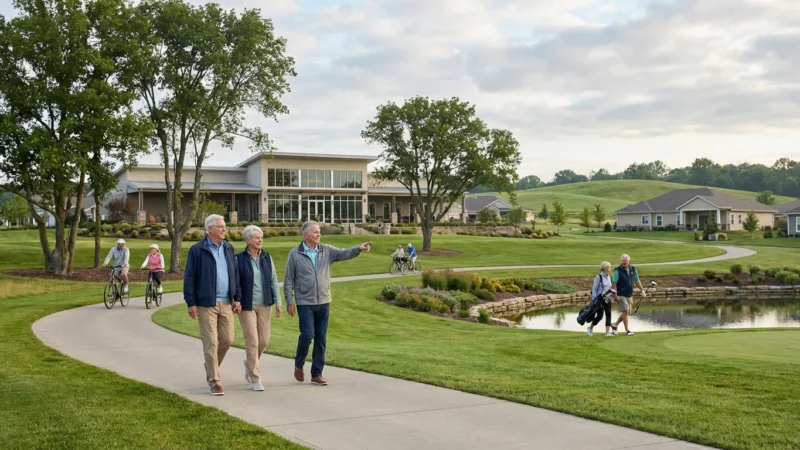
A typical active adult community might offer an impressive array of amenities:
- Clubhouse: The central hub for social gatherings, events, and often houses administrative offices.
- Fitness Center: Equipped with exercise machines, free weights, and dedicated spaces for group classes.
- Swimming Pools: Often include both indoor and outdoor options, with lap lanes and relaxation areas.
- Sports Courts: Tennis, pickleball, bocce ball, and shuffleboard courts are common.
- Walking and Biking Trails: Paved paths for exercise and enjoying nature within the community.
- Golf Courses: Many communities feature their own golf courses or offer discounted access to nearby courses.
- Arts and Crafts Studios: Spaces for painting, pottery, woodworking, and other creative pursuits.
- Game Rooms: Areas for cards, billiards, board games, and other casual social activities.
- Libraries and Computer Labs: Resources for learning, reading, and staying connected digitally.
- Event Spaces: Ballrooms or multi-purpose rooms for community-wide events, dances, and performances.
Beyond these physical amenities, the vibrant social calendar defines many communities. Residents actively participate in planning and leading clubs and events, fostering a strong sense of ownership and camaraderie. This collective engagement ensures a dynamic and responsive environment for all residents.

The Importance of Senior Fitness and Wellness
Maintaining physical and mental health becomes increasingly important as you age. Active adult communities recognize this need by integrating robust senior fitness and wellness programs into their offerings. These programs are not just about exercise; they encompass a holistic approach to health, including nutrition, stress reduction, and cognitive engagement.
As you focus on your physical well-being, don’t forget the logistical side of health by managing your healthcare transfers properly before you move.
Studies show a strong correlation between physical activity in older adults and improved health outcomes. For instance, regular exercise can reduce the risk of chronic diseases like heart disease, diabetes, and certain cancers. It also improves mobility, balance, and cognitive function. The National Institute on Aging recommends various types of physical activity for older adults, including endurance, strength, balance, and flexibility exercises. You access convenient, tailored programs that support these recommendations directly within your community.
Examples of wellness programs and facilities you might find include:
- Group Exercise Classes: Yoga, Tai Chi, Zumba Gold, water aerobics, and strength training.
- Personal Training: Certified trainers available for individualized fitness plans.
- Wellness Seminars: Talks on healthy eating, managing chronic conditions, and mindfulness.
- On-site Health Services: Some larger communities offer clinics, physical therapy, or even visiting healthcare professionals.
- Meditation Spaces: Quiet areas for reflection and stress reduction.
- Nutritional Counseling: Expert advice on maintaining a balanced diet.
These comprehensive programs provide you with the tools and motivation to prioritize your health. They help you sustain energy levels, maintain independence, and enjoy a higher quality of life throughout your retirement years.

What Activities Are Available for Active Adults?
One of the most appealing aspects of active adult communities is the sheer variety of retirement activities available. The question, “what activities available active adults?” has an extensive answer, reflecting the diverse interests of residents. Communities cultivate a culture of involvement, ensuring you always find something stimulating to do, whether pursuing a lifelong hobby or discovering a new passion.
Engaging in these hobbies doesn’t have to be expensive, as there are many cost-effective recreation options available to community residents.
These communities often feature a robust calendar of events, organized by both community staff and resident-led clubs. You easily join groups focused on your interests, fostering new friendships and intellectual growth. This makes finding engaging ways to spend your time simple and enjoyable.
Common types of activities and social opportunities include:
- Social Clubs: Book clubs, garden clubs, travel clubs, current events discussions, card games, and mahjong groups.
- Hobby Groups: Photography, painting, pottery, woodworking, quilting, knitting, and model building.
- Educational Programs: Guest speakers, lectures on various topics, computer classes, and language lessons.
- Performing Arts: Choirs, theater groups, dance classes, and talent shows.
- Outdoor Recreation: Guided nature walks, bird watching, fishing, and community gardening plots.
- Volunteer Opportunities: Many communities organize resident-led initiatives to support local charities or causes.
- Day Trips and Excursions: Organized outings to local attractions, museums, concerts, and shopping centers.
- Community Events: Holiday parties, themed dinners, dances, potlucks, and outdoor concerts.
This rich tapestry of activities ensures that your retirement remains dynamic and fulfilling. You have the flexibility to participate as much or as little as you desire, creating a lifestyle perfectly tailored to your preferences. The opportunities for exploration and engagement are virtually endless.
How to Join An Active Community: Finding Your Fit
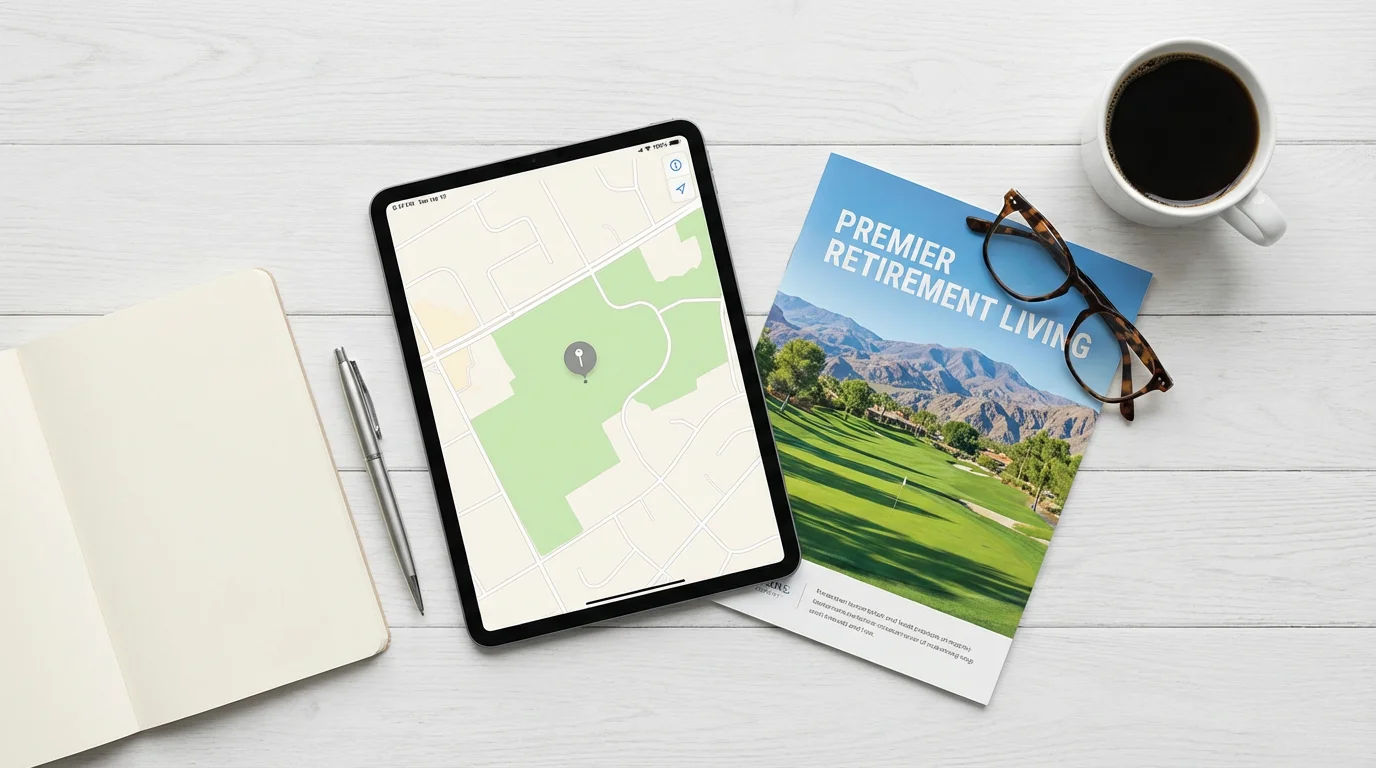
Deciding where to spend your retirement years requires careful consideration, particularly when looking at active adult communities. You want to ensure the community aligns with your lifestyle, budget, and long-term goals. Understanding “how to join an active community” involves more than just selecting a home; it means finding the right environment for your next chapter.
Once you have selected your ideal location, choosing the right moving company is a critical next step for a stress-free transition.
Consider these practical steps when exploring active adult communities:
- Assess Your Priorities: Determine what matters most to you. Do you prioritize specific amenities like a golf course or an art studio? Is proximity to family, medical facilities, or cultural attractions important?
- Research Locations: Explore regions and states that appeal to you, considering climate, tax friendliness, and healthcare access. Use resources like USA.gov for general relocation guidance.
- Budget Wisely: Factor in home purchase costs, property taxes, and monthly HOA fees, which cover amenities and maintenance. Understand what the HOA fees include to avoid surprises.
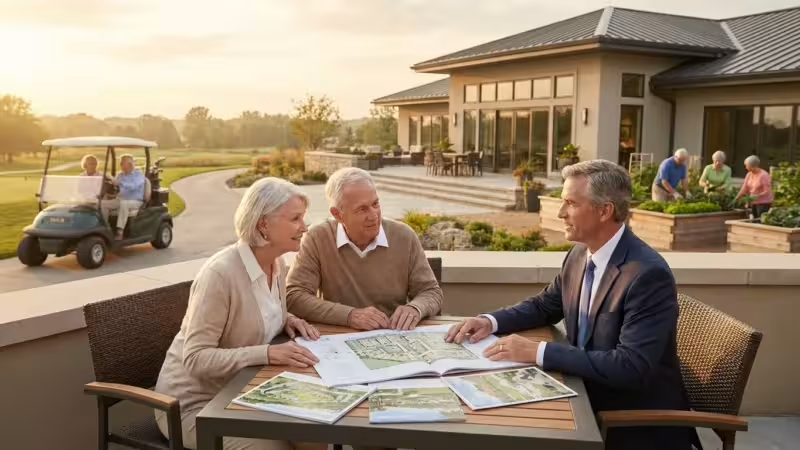
- Visit Prospective Communities: Experiencing a community firsthand is invaluable. Schedule tours, attend open houses, and ideally, stay for a few days if possible. This allows you to observe daily life.
- Talk to Residents: Engage with current residents to gain authentic insights into community life, the social scene, and any potential challenges. Their experiences offer a true perspective.
- Review Rules and Covenants: Understand the community’s rules, regulations, and financial commitments. Pay close attention to age restrictions, guest policies, and any restrictions on home modifications.
- Consult Professionals: Work with a real estate agent specializing in 55+ communities and a financial advisor. They provide expert guidance throughout the process.
Remember, the “best” community is subjective and depends entirely on your individual needs and desires. Take your time, conduct thorough research, and trust your instincts to find a place where you genuinely feel at home.

Financing Your Active Adult Lifestyle
Understanding the financial aspects of an active adult community ensures you make an informed decision aligned with your retirement budget. While these communities offer immense value through amenities and services, they also come with specific costs. You must consider both the initial purchase price of a home and ongoing expenses.
The primary financial components typically include:
- Home Purchase: This is the initial investment for your home, which can range from condominiums and townhomes to single-family detached houses. Prices vary widely based on location, size, and community prestige.
- Property Taxes: Like any homeownership, you will pay annual property taxes. These can differ significantly by state, county, and even specific municipality. Researching state tax burdens, perhaps through resources like the Tax Foundation, is crucial.
- Homeowner Association (HOA) Fees: These mandatory monthly or quarterly fees cover the maintenance of common areas, amenities, and often some exterior home maintenance. HOA fees are a significant part of your budget, and their cost directly relates to the number and quality of amenities offered. Be sure to understand exactly what your fees cover.
- Utilities and Personal Expenses: You remain responsible for your utilities (electricity, water, gas, internet) and all personal living expenses, such as groceries, transportation, and entertainment outside the community.
Many individuals finance their move using funds from the sale of a previous home or through traditional mortgages. Consulting a financial advisor helps you assess your financial readiness and explore options for funding your active adult lifestyle. They can assist you in creating a sustainable budget that accounts for all these costs, ensuring your retirement remains financially secure.
Relocation Planning for Active Adults
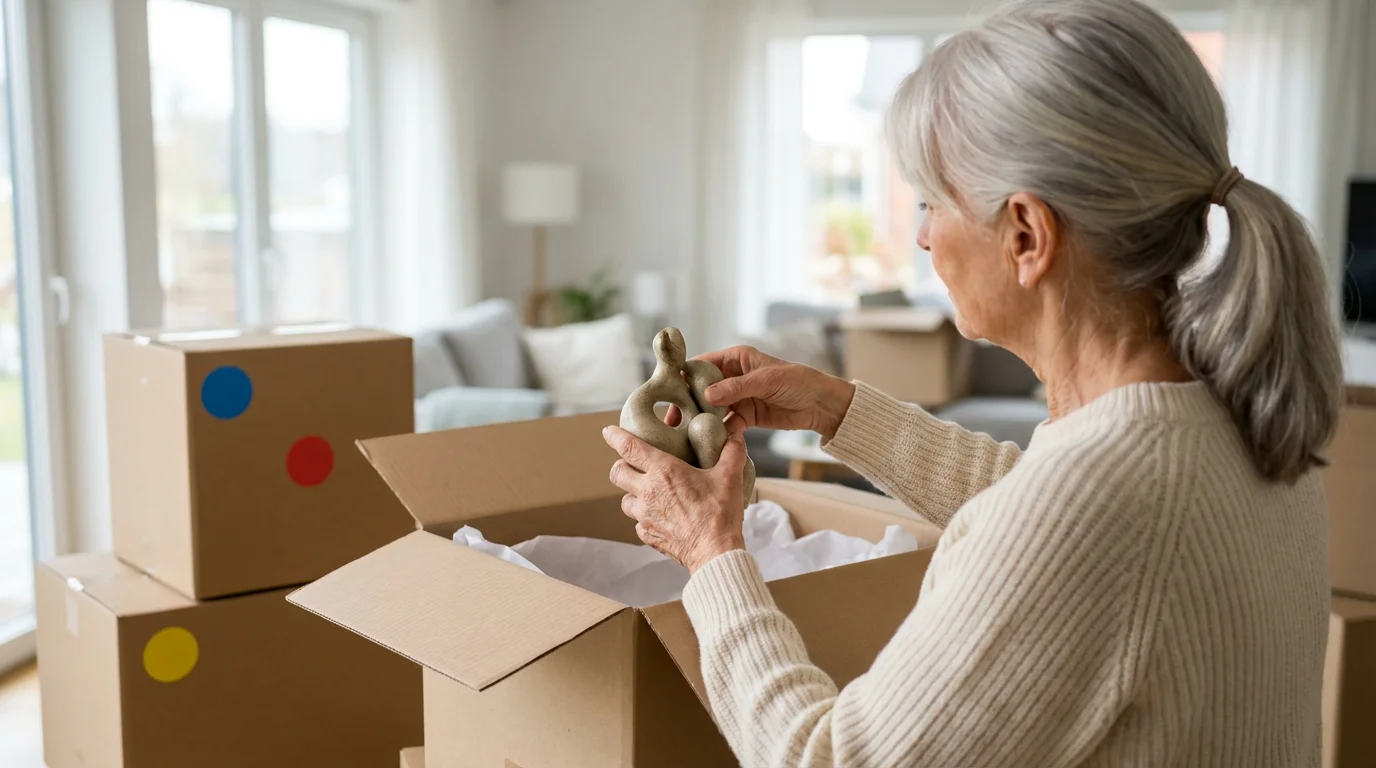
Relocating to an active adult community, while exciting, involves significant planning and logistics. A well-executed plan minimizes stress and ensures a smooth transition to your new home. You can simplify this process by breaking it down into manageable steps, focusing on efficiency and organization.
Here are key steps for effective relocation planning:
- Create a Timeline: Start planning several months in advance. A detailed timeline helps you manage tasks like selling your current home, packing, and arranging utilities in your new residence.
- Declutter and Downsize: Use the relocation as an opportunity to declutter. Decide what to keep, donate, sell, or discard. Many active adult homes are smaller, requiring a more minimalist approach.
- Research Moving Companies: Obtain quotes from several reputable moving companies. Check reviews and ensure they offer insurance for your belongings. Consider services like packing and unpacking if your budget allows.
- Update Important Documents: Change your address for mail, banking, insurance, and medical records. Inform family and friends of your new contact information. The U.S. Census Bureau provides resources for changing your address.
- Transfer Utilities and Services: Arrange for utility disconnection at your old home and connection at your new one. This includes electricity, water, gas, internet, and cable.
- Plan for Healthcare: Research doctors, specialists, and hospitals in your new area. If you use Medicare, ensure your plan covers providers in your new location. Medicare.gov offers tools to find doctors and compare plans.
- Visit Your New Area: Spend time exploring the local area before moving. Identify grocery stores, pharmacies, restaurants, and other essential services. This familiarity eases the transition.
Strategic planning allows you to focus on enjoying your new life in an active adult community. Leverage available resources, seek help when needed, and embrace the excitement of starting a new chapter.
Frequently Asked Questions
What is an active adult community?
An active adult community, often referred to as a 55+ community, is a residential development designed for individuals aged 55 and older. These communities prioritize an active lifestyle, offering numerous amenities, social events, and recreational facilities tailored to seniors. They provide an environment focused on wellness, social engagement, and convenience, typically with low-maintenance homes.
Are active adult communities only for singles?
No, active adult communities welcome both singles and couples. Their design fosters social interaction and a sense of community, appealing to a wide range of individuals seeking an engaging retirement. Many residents are couples, while others are single individuals looking to connect with peers and participate in group activities.
How do I choose the right active adult community for me?
Choosing the right community involves evaluating your lifestyle, budget, and priorities. Consider factors such as the types of activities and amenities offered, the community’s location, proximity to family and healthcare, home styles, and the monthly homeowner association (HOA) fees. Visiting prospective communities and speaking with current residents provides valuable insight.
What is the typical cost of living in an active adult community?
The cost of living in an active adult community varies significantly based on location, home size, and the level of amenities. You typically pay for your home, property taxes, and a monthly HOA fee. HOA fees cover common area maintenance, amenities, and sometimes exterior home maintenance. Research specific communities and their fee structures to understand the financial commitment.
Can my grandchildren visit me in an active adult community?
Yes, grandchildren can typically visit you in an active adult community. While these communities have age restrictions for permanent residents (usually 55+), they generally allow guests of all ages to visit for specified periods. Always review the community’s specific guest policies, as rules can vary regarding duration and frequency of visits.
Disclaimer: This article is for informational purposes only. Cost of living, taxes, and local conditions change over time. We encourage readers to verify current information through official sources and visit potential retirement destinations before making relocation decisions.





Leave a Reply